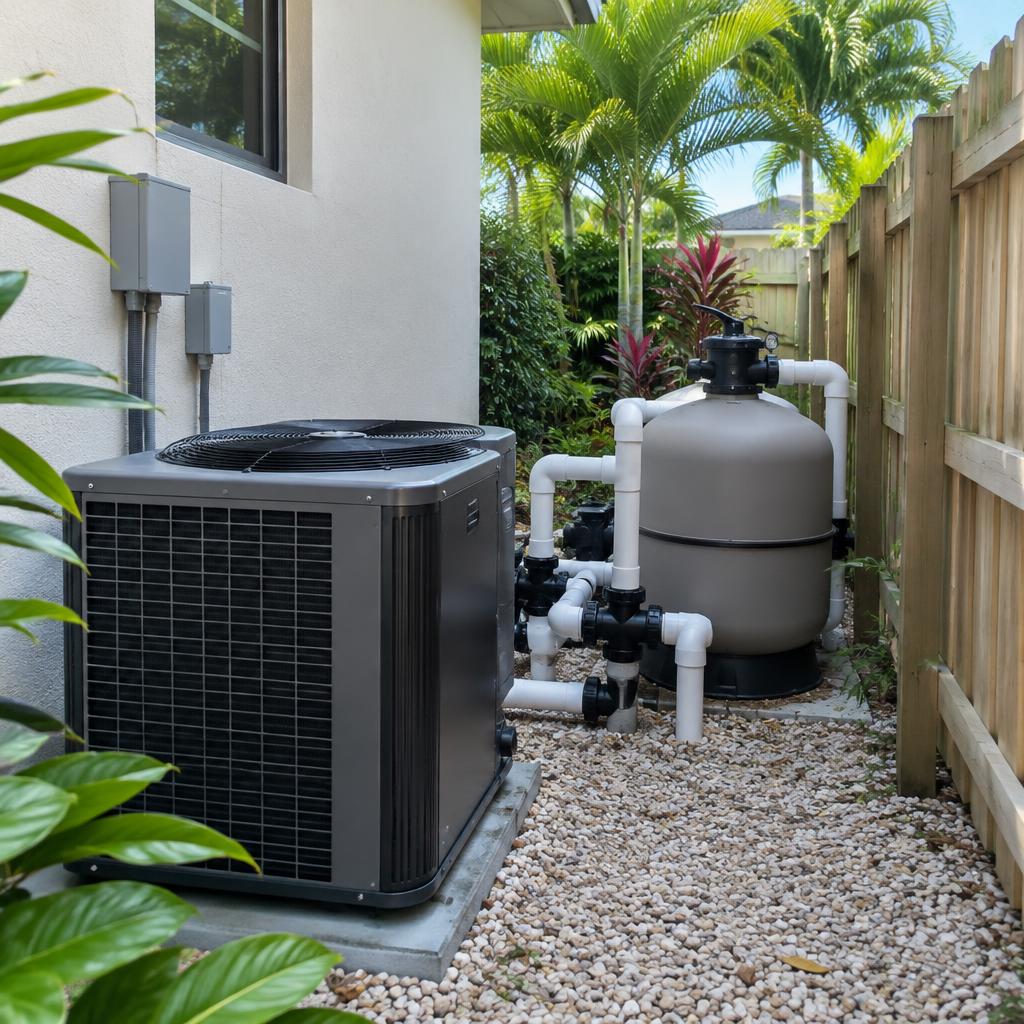
POOL HEATER GUIDE
Solar Pool Heater vs. Heat Pump: Which Is Better for Your Pool?
By PureTek Pool Heaters · Published
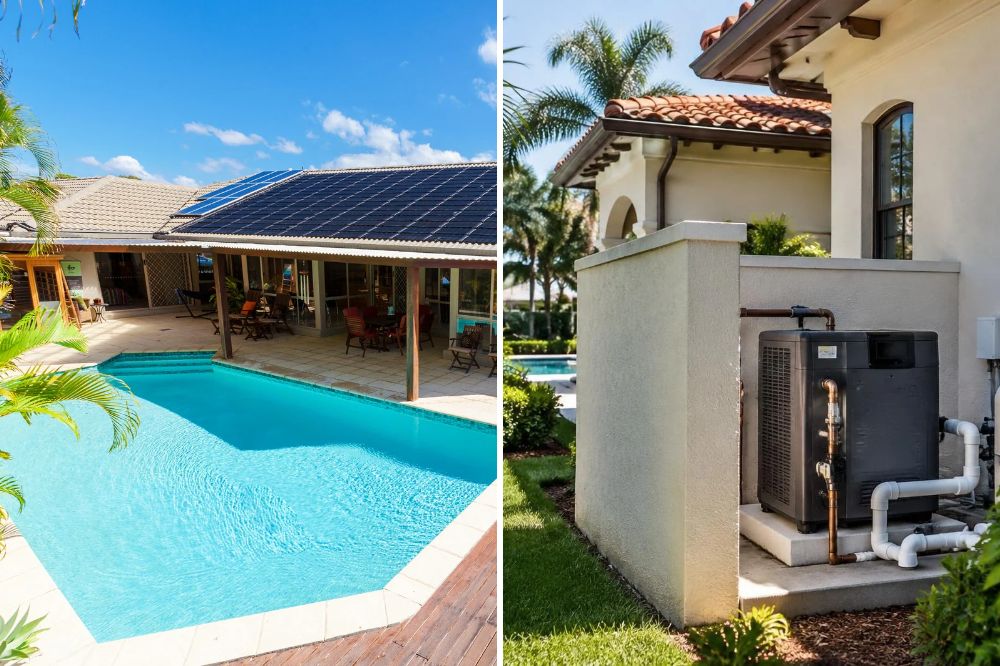
A warm swimming pool makes every swim more enjoyable. However, choosing the right heating system can be challenging. Solar pool heaters and heat pumps are two popular options for homeowners in Florida. Both can keep pool water comfortable, but they use different methods to provide heat.
Solar heaters use energy from the sun, while heat pumps collect heat from the surrounding air. Each system has different installation needs, running costs, and maintenance requirements. Understanding these differences can help you choose the right heating option for your pool.
Whether you are planning a new installation or need pool heat pump repair in West Palm Beach, understanding how these systems work can help you make a better decision. Let's compare their features, performance, and costs.
What Is a Solar Pool Heater?
A solar pool heater uses sunlight to warm swimming pool water. It usually has solar collectors installed on a rooftop or another sunny area. Pool water moves through these collectors, absorbs heat from the sun, and then returns to the pool.
One major advantage is that sunlight is free. This can help reduce regular heating costs. However, the system depends on sunlight, so cloudy days and limited sun exposure can affect its performance.
Solar heating can be a practical option for Florida homeowners with enough space for collectors and good sunlight throughout the day.
What Is a Pool Heat Pump?
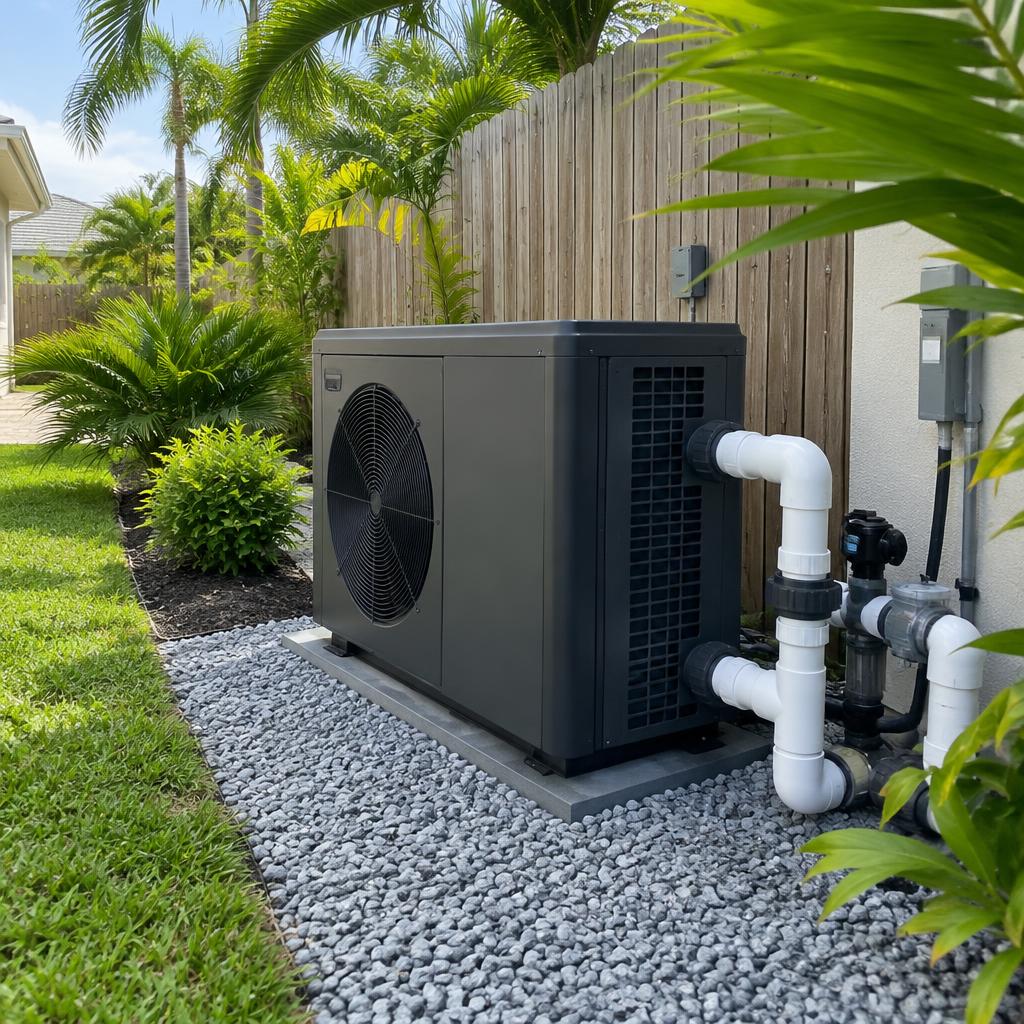
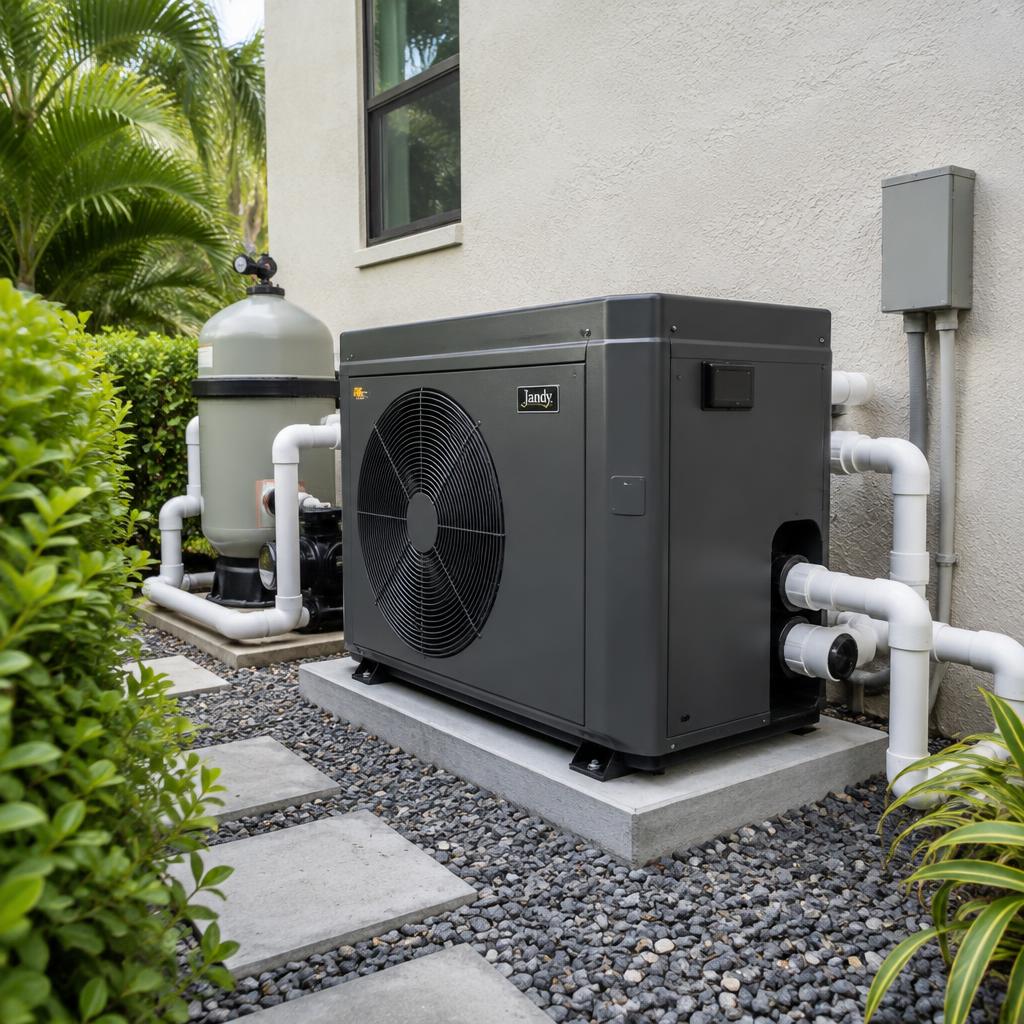
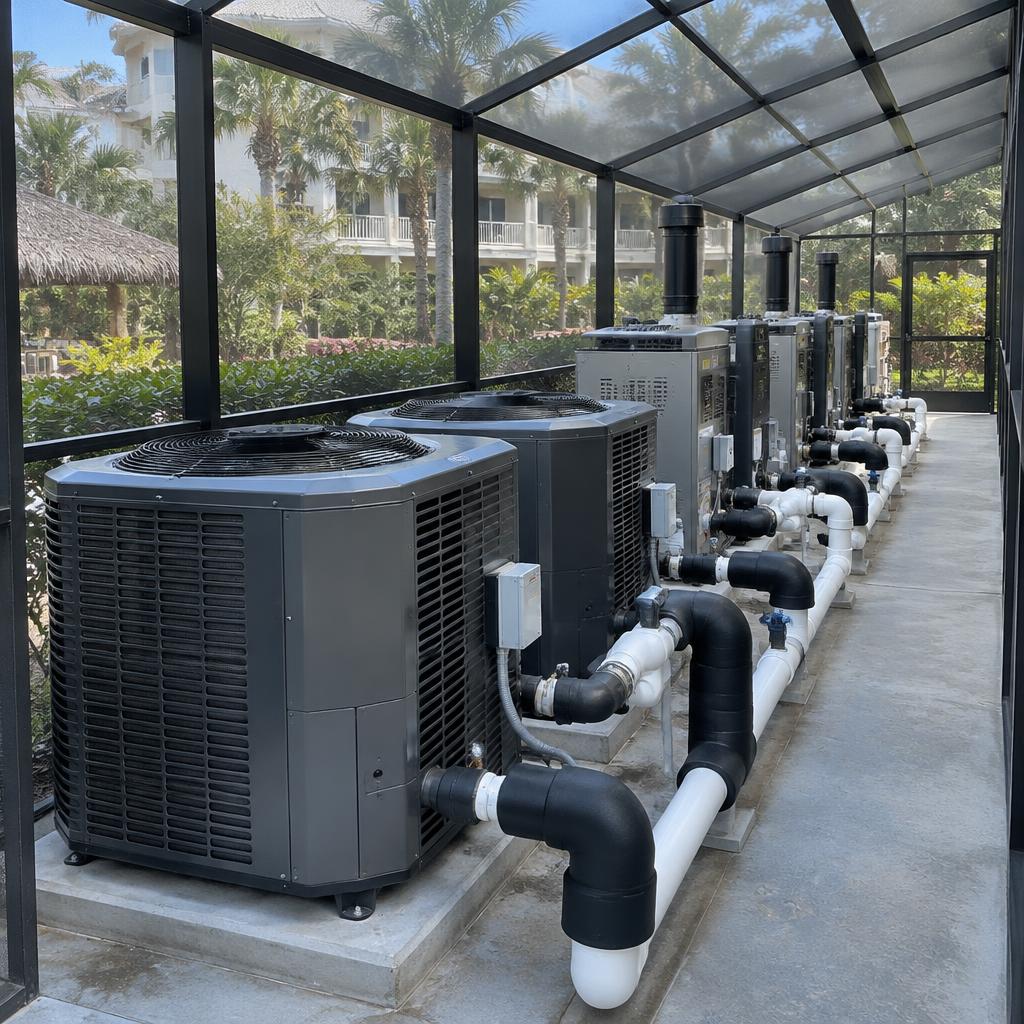
A pool heat pump uses electricity to transfer heat from the surrounding air into pool water. It does not need direct sunlight to operate, making it different from a solar heating system.
A fan pulls outdoor air into the unit. The refrigerant absorbs heat from the air, and the system transfers that heat to the pool water through a heat exchanger.
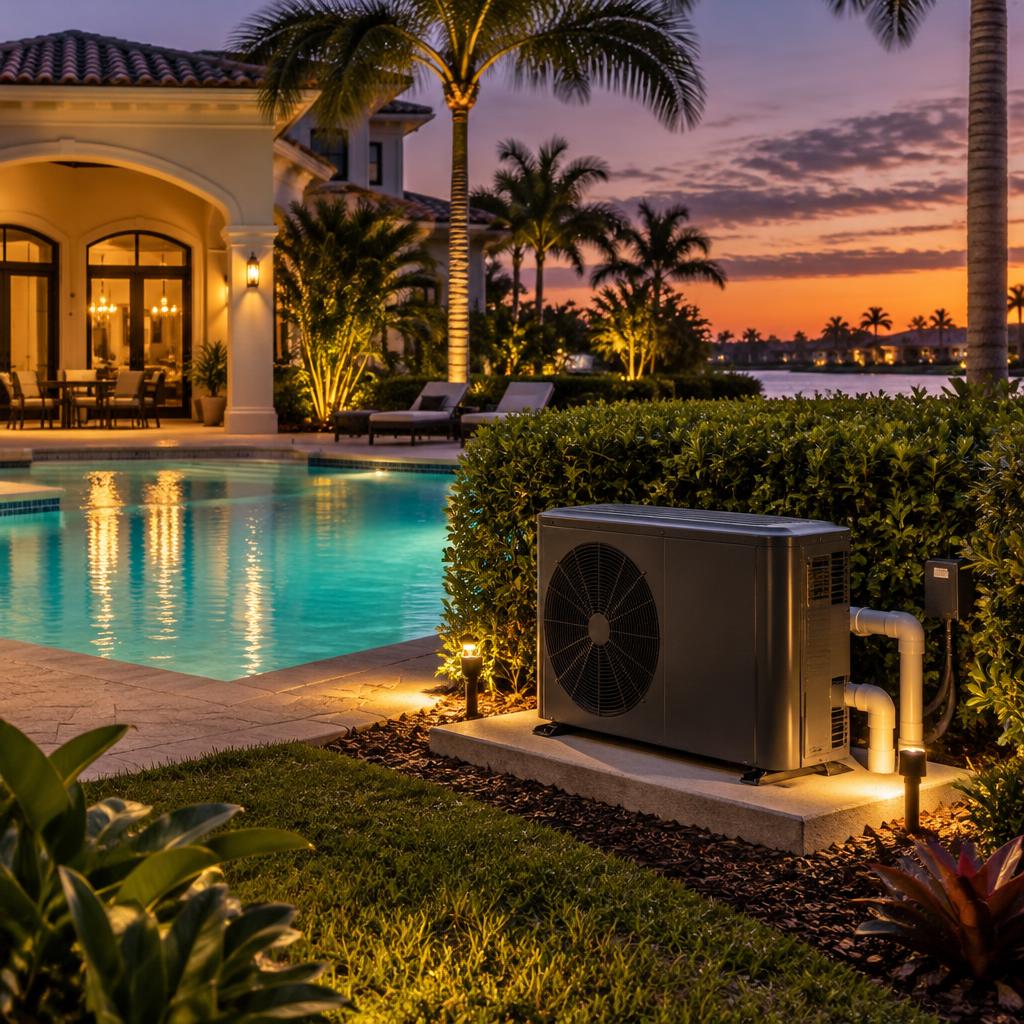
Heat pumps are popular in Florida because the warm outdoor climate provides suitable conditions for efficient operation. They can also help maintain a selected water temperature. However, their performance may decrease when outdoor temperatures become colder.
Solar Pool Heater vs. Heat Pump: Key Differences
Both systems can warm your pool, but their energy sources, installation needs, and heating performance are different.
Energy Source
Solar Pool Heater: Sunlight. Pool Heat Pump: Electricity and outdoor air heat.
Working Method
Solar Pool Heater: Uses solar collectors. Pool Heat Pump: Transfers heat from outdoor air.
Weather Dependence
Solar Pool Heater: Needs sufficient sunlight. Pool Heat Pump: Works without direct sunlight.
Running Costs
Solar Pool Heater: Generally low. Pool Heat Pump: Depends on electricity use.
Installation
Solar Pool Heater: Needs space for solar collectors. Pool Heat Pump: Needs outdoor space and airflow.
Heating Performance
Solar Pool Heater: Depends on sunlight. Pool Heat Pump: More consistent in suitable temperatures.
Maintenance
Solar Pool Heater: Collector and pipe checks. Pool Heat Pump: Coil and equipment inspections.
Best For
Solar Pool Heater: Sunny properties. Pool Heat Pump: Regular and controllable heating.
Energy Efficiency and Operating Costs
Energy use is an important factor when selecting a pool heater. Solar heaters use natural sunlight, which can help keep regular heating expenses low. However, their circulation pumps still require electricity.
Heat pumps use electricity to transfer heat from outdoor air. They are designed to move heat rather than create it entirely through electrical resistance, which makes them an efficient heating option in suitable weather.
Consider these points:
Solar heating
Solar heaters generally have lower regular heating energy costs.
Heat pump efficiency
Heat pumps offer efficient heating in warm outdoor conditions.
Pool covers
Pool covers can help both systems reduce heat loss.
Actual costs
Actual costs depend on pool size, usage, temperature settings, and local energy rates.
Installation Needs: Solar Pool Heaters vs. Heat Pumps
Solar heaters need enough room for collectors that receive direct sunlight. The roof or installation area must also be suitable for the required plumbing connections.
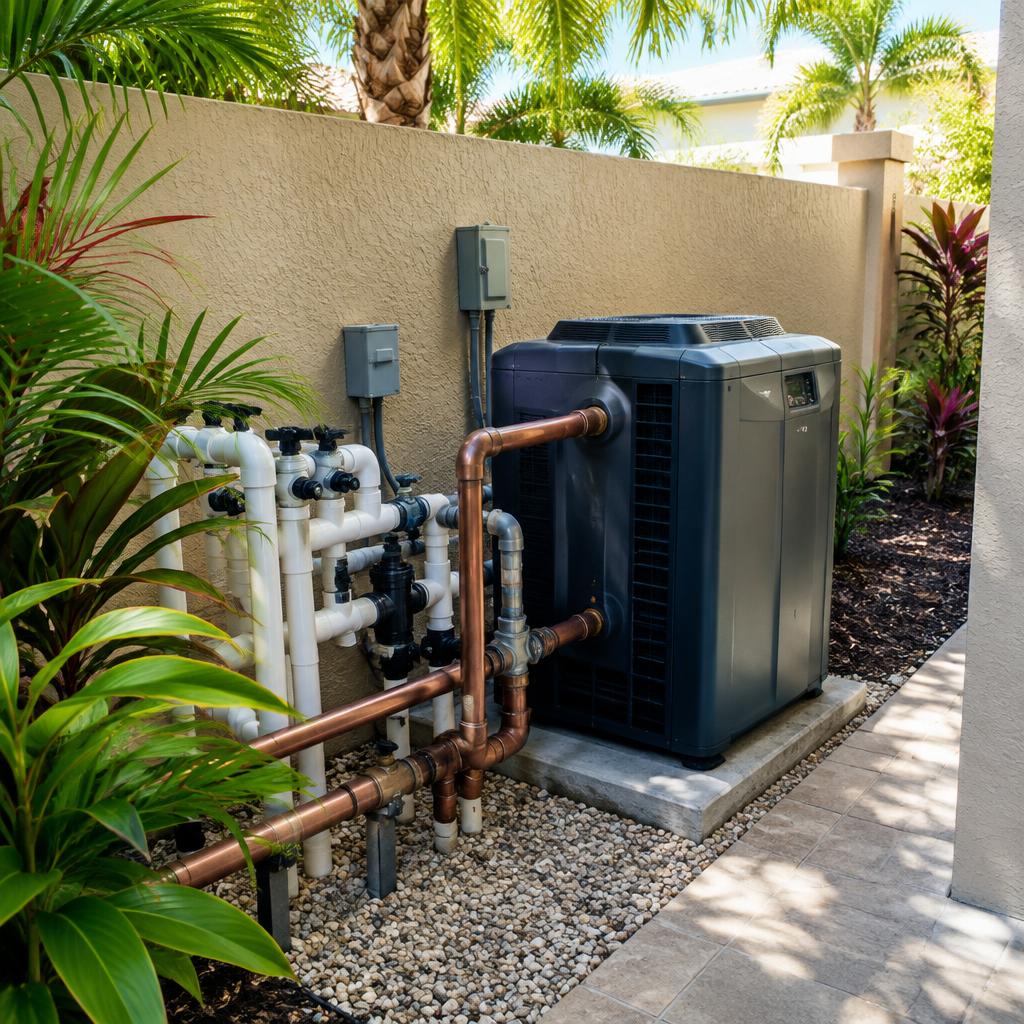
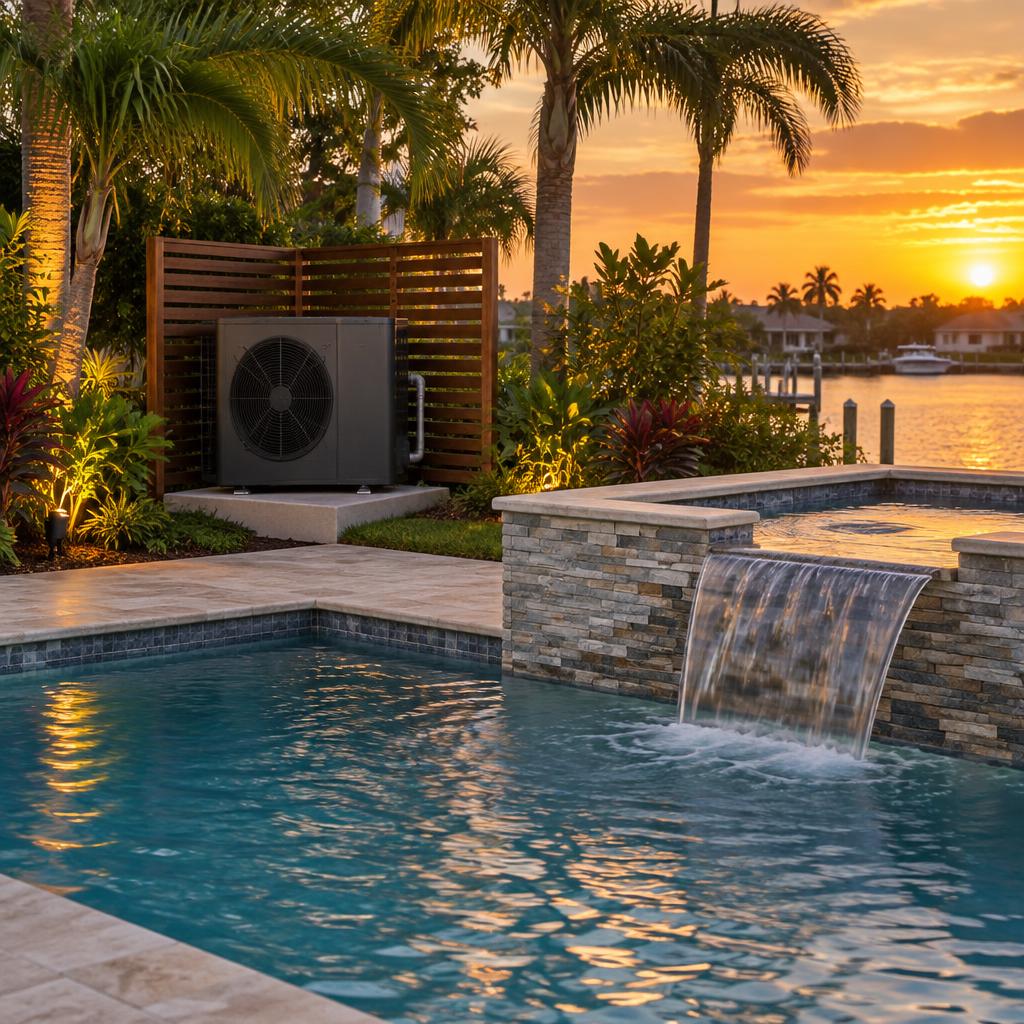
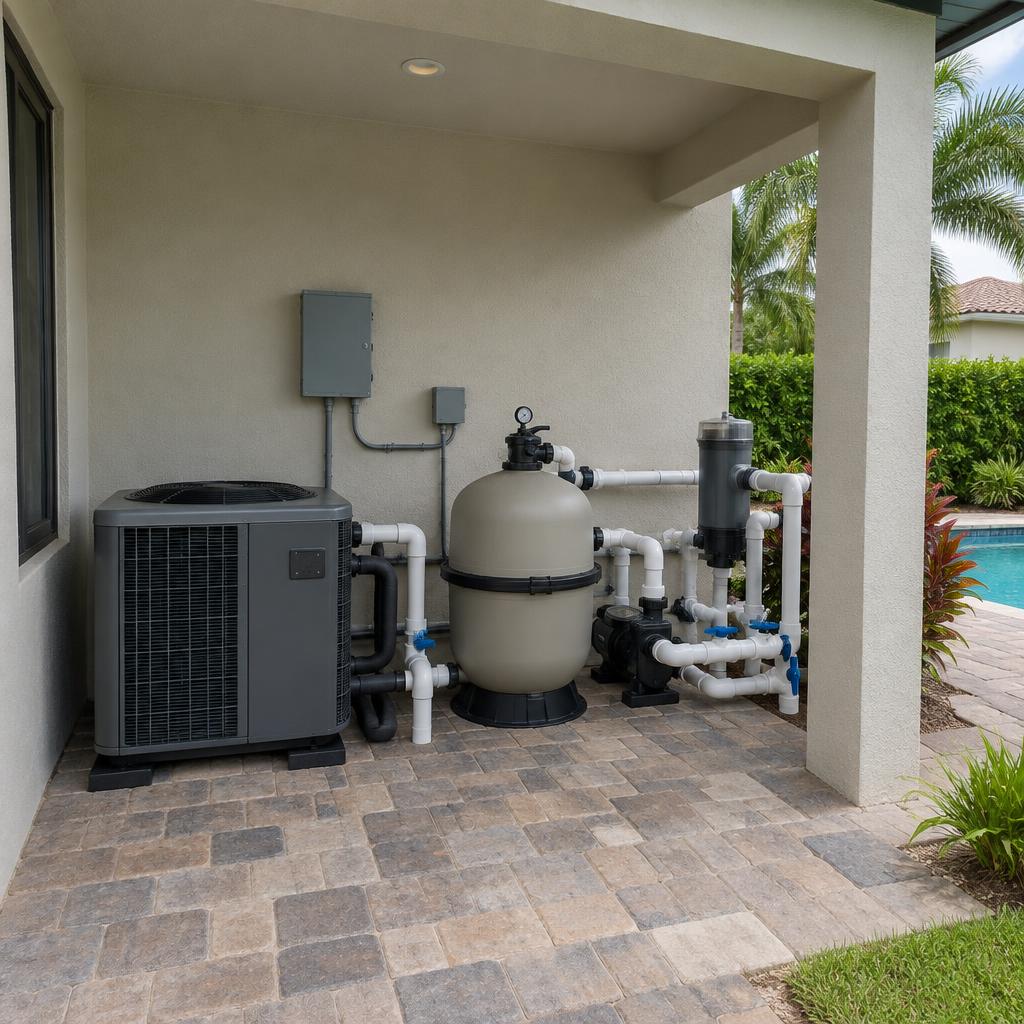
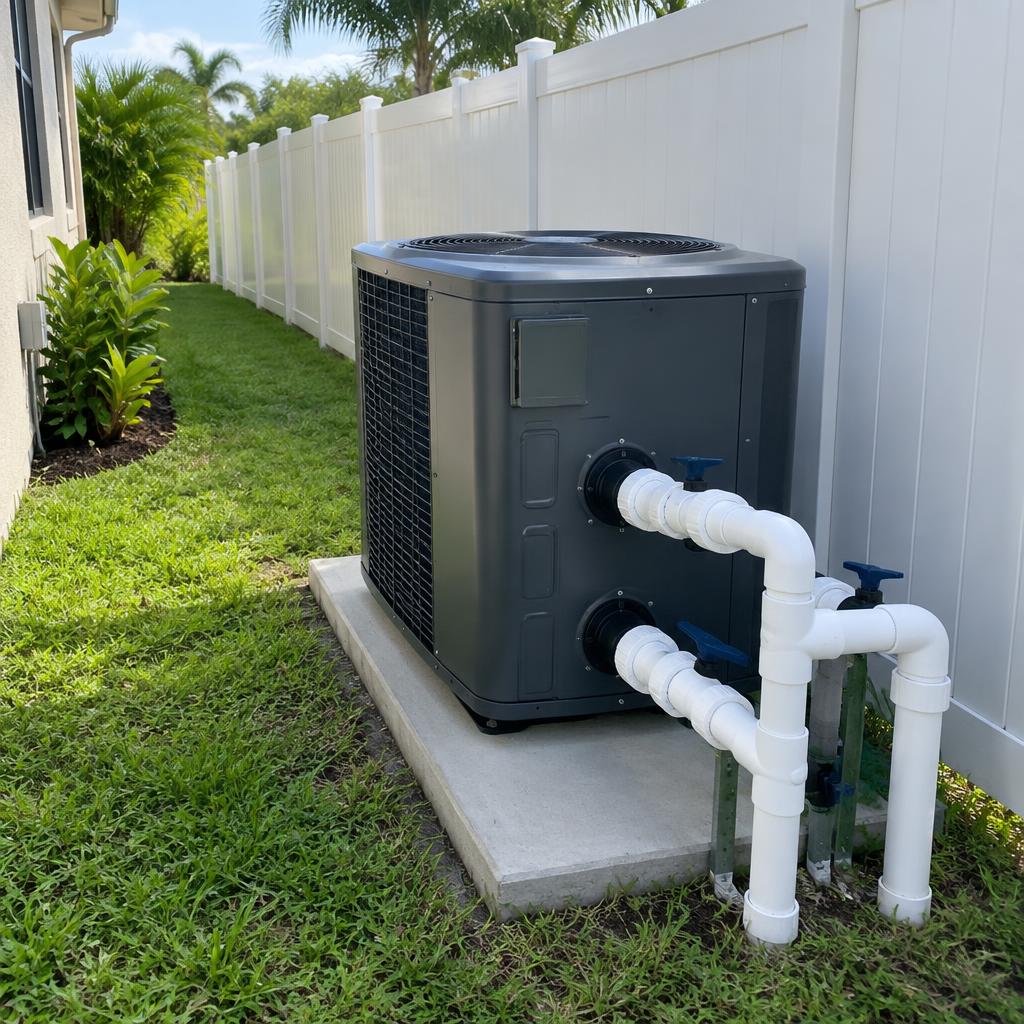
Heat pumps need an outdoor location with enough space for proper airflow. Their capacity should match the pool size and heating requirements.
Before installation, consider:
Space
Available roof or outdoor space.
Pool size
Pool size and water volume.
Connections
Existing plumbing and electrical connections.
Temperature
Desired water temperature.
Equipment
Equipment size and installation costs.
Professional pool heater installation in West Palm Beach can help homeowners select suitable equipment and ensure it is installed correctly.
Maintenance and Long-Term Performance
Both heating systems need regular maintenance to provide reliable performance.
Solar pool heaters should be inspected for leaks, damaged collectors, blocked pipes, and water flow problems. Keeping dirt and leaves away from the collectors can also help.
Heat pumps need proper airflow and clean coils. Electrical connections, sensors, and water circulation should also be checked regularly.
If your heat pump stops heating, makes unusual noises, or displays an error code, professional inspection can help identify the problem. Regular servicing can also reduce unexpected equipment issues and support long-term performance.
Which Pool Heater Is Better for Florida Homes?
Both systems can work well in Florida, but the right choice depends on your property and heating needs.
A solar pool heater may be suitable if:
Your property receives plenty of direct sunlight. You have enough space for solar collectors. You want to reduce regular heating energy costs.
A heat pump may be suitable if:
You want more consistent temperature control. You do not want to depend on direct sunlight. You have enough outdoor space for the equipment. You want an efficient heating option for Florida's warm climate.
Think about your swimming habits, budget, and preferred water temperature before making a decision. A professional assessment can help you understand which system is right for your pool.
Find the Right Pool Heating Solution With Pure Tek Pool Heaters
Choosing the right pool heating system is important for enjoying comfortable swimming throughout the year. At Pure Tek Pool Heaters, we provide professional pool heater installation, repair, replacement, and maintenance services for residential and commercial customers.
Our team works with different pool heating systems, including heat pumps, gas heaters, and electric heaters. We focus on understanding your requirements and recommending suitable solutions for your property.
We believe in honest recommendations, quality workmanship, and dependable service. Whether you need help with an existing heater or want to install a new system, we are here to help.
Contact Pure Tek Pool Heaters today to discuss your pool heating needs and find a suitable solution for comfortable swimming throughout the year.
Frequently asked questions
A solar heater can be a good choice for sunny properties with enough collector space. A heat pump may be better for homeowners who want more consistent temperature control.
Yes. Pool heat pumps collect heat from outdoor air, so they do not need direct sunlight. However, their efficiency depends on the surrounding air temperature.
Solar pool heaters generally have low operating costs because they use sunlight as their main heat source. Their circulation pumps still require electricity.
A pool heat pump can often last around 10 to 15 years with proper installation and regular maintenance. Its lifespan depends on usage, climate, and equipment care.
Both systems can work in Florida. Solar heaters benefit from strong sunlight, while heat pumps perform well in warm outdoor temperatures. The best option depends on your pool and heating needs.
Related services
More guides
- Heat Pump vs. Gas Pool Heater in South Florida
- How Much Does a Pool Heater Cost in Palm Beach County?
- Pool Heater Not Heating: 7 Common Causes
- When to Repair vs. Replace a Pool Heater
- When to Turn On Your Pool Heater in Florida: Month-by-Month Guide
- What Is the Ideal Pool Temperature? Swimming, Kids, Seniors, and Therapy
- How Long Does It Take a Pool Heater to Heat a Pool?
- How Does a Pool Heat Pump Work?
- What Size Pool Heater Do You Need? BTU and Sizing Explained
- Propane vs. Natural Gas Pool Heaters: Which Is Better?
- Inverter vs. Standard Pool Heat Pumps: Is the Upgrade Worth It?