POOL HEATER GUIDE
What Is the Ideal Pool Temperature? Swimming, Kids, Seniors, and Therapy
By PureTek Pool Heaters · Last updated
One toe in the water can ruin a perfect pool day. Too cold, and everyone hops out. Too warm, and swimming feels like sitting in soup.
Every swimmer likes a different temperature. A toddler, a lap swimmer, and a grandparent with sore joints all need different water. The wrong setting wastes energy and leaves people shivering. For hot tubs, it can even be unsafe, since the CDC says water should never exceed 104°F.
The ideal pool temperature is 78°F to 82°F for exercise and 82°F to 86°F for family fun. Children and elderly people prefer water that is slightly warmer. This guide includes the perfect water temperature for different types of individuals, a short table of temperatures, and how to maintain the temperatures.
What Is the Ideal Pool Temperature?
The ideal temperature depends on who is swimming and for what purpose. For the majority, the appropriate pool temperature is 82°F to 86°F. Lap swimmers should be more comfortable at temperatures ranging from 78°F to 82°F. Kids and elderly people tend to be happier at temperatures between 84°F and 88°F.
Your body loses heat faster in water than in air. That is why 80°F water can feel cold, even on a hot day. Fast swimmers make their own heat, so they like cooler water. Slow swimmers and small children need warmer water.
Ideal Pool Temperature Chart
Use this table as a guideline for your family. You will find the usual temperature ranges for each kind of swimmer. Add or subtract one or two degrees as needed depending on your comfort level. Consult your physician in case of any health concerns.
Lap and exercise swimming — 78°F to 82°F
Cooler water stops you from overheating.
Family fun and recreation — 82°F to 86°F
Comfortable for mixed ages.
Young kids — 84°F to 88°F
Small bodies lose heat fast.
Seniors — 84°F to 88°F
Warm water soothes stiff joints.
Therapy and rehab — 88°F to 92°F
Warmth relaxes muscles.
Hot tub or spa — 100°F to 102°F typical
Never above 104°F.
Best Pool Temperature for Swimming Laps
The ideal temperature for pool laps is 78°F to 82°F. The cool water prevents your body from getting overheated during intensive training sessions. The warm water will make you tired more quickly and cause you to perspire more. Swimmers usually pick the lower end of this temperature range.
Swim lovers can swim at slightly higher temperatures. 82°F is ideal for relaxed laps and aqua-aerobics. You may use a floating pool thermometer to check the water's exact temperature.
Best Pool Temperature for Kids
The optimum water temperature for kids is between 84°F and 88°F. The small body sizes tend to lose heat very fast, hence making them shiver at low temperatures. It is important to provide babies and toddlers with water on the higher side of this range.
Shivering, chattering teeth, or blue lips mean it is time to get out. Wrap your child in a dry towel right away. Hot tubs are a different story. The CDC says children under 5 should not use them at all.
Best Pool Temperature for Seniors
Elderly people prefer to do workouts in water that has a temperature between 84°F and 88°F. Warm water feels great on sore joints and muscles. Very hot water increases heart rate and causes dizziness. Consult with your doctor about the right temperature.
For example, a retired couple prefers to set their pool at 86°F for early morning water walking. The warm water helps with their sore knees, and they feel great for half an hour. It is very important to pay attention not only to the temperature but also to handrails and non-slip stairs as well.
Best Pool Temperature for Therapy and Rehab
The temperature of therapy pools ranges from 88°F to 92°F. The warm water relaxes muscles, relieves joint pressure, and facilitates movement. It is recommended to use high temperatures for short workouts. Listen to the recommendations of your doctor or physical therapist.
Heat helps, but it can also tire you out. Drink water, take breaks, and get out if you feel dizzy. If you are pregnant or have heart problems, talk to a doctor first.
Hot Tub and Spa Temperatures
Spas run much hotter than pools. Hot tubs should never go above 104°F, according to the CDC. Most people relax at 100°F to 102°F. Children under 5 should stay out. If you are pregnant, talk to a healthcare provider first.
A spa that shares a pool needs a heater that can reach and hold higher temperatures. Do not trust the display alone. A separate thermometer helps you confirm the real number.
How to Keep Your Pool at the Right Temperature in South Florida
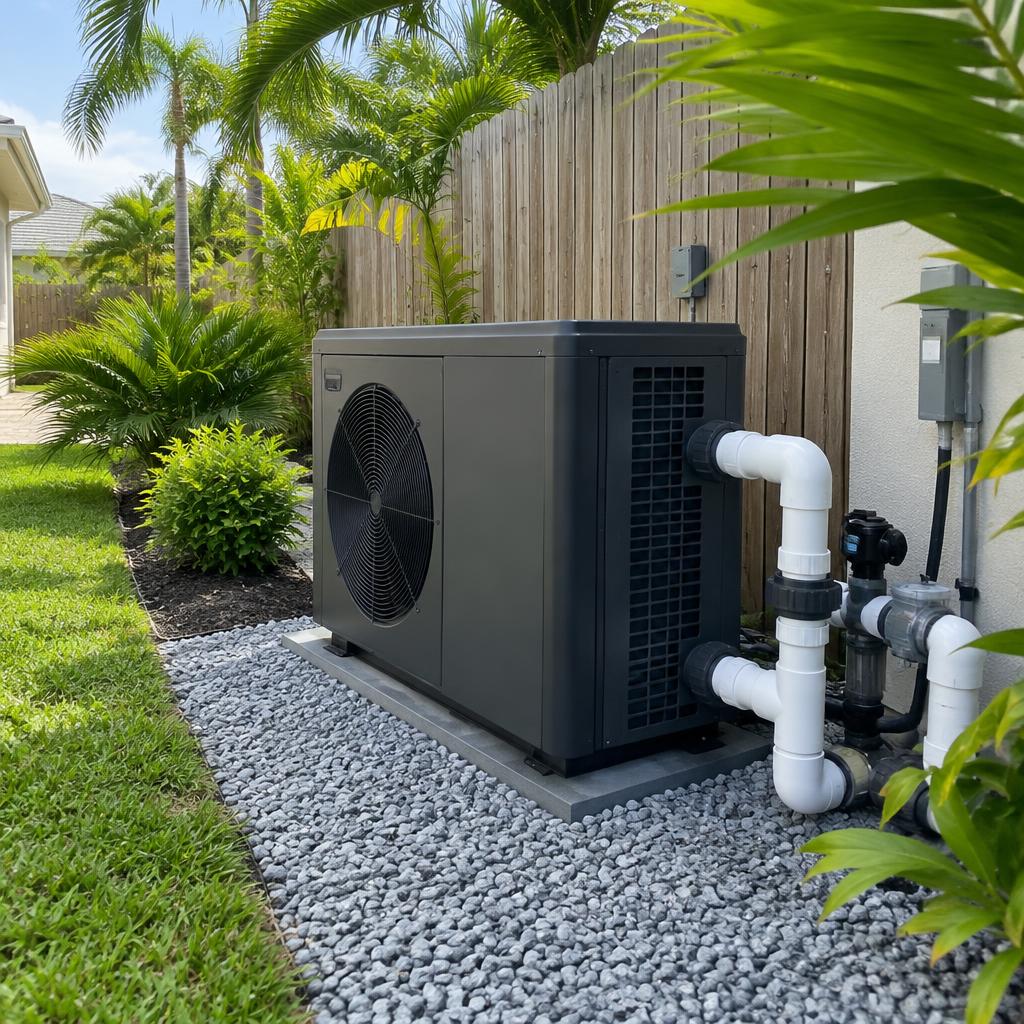
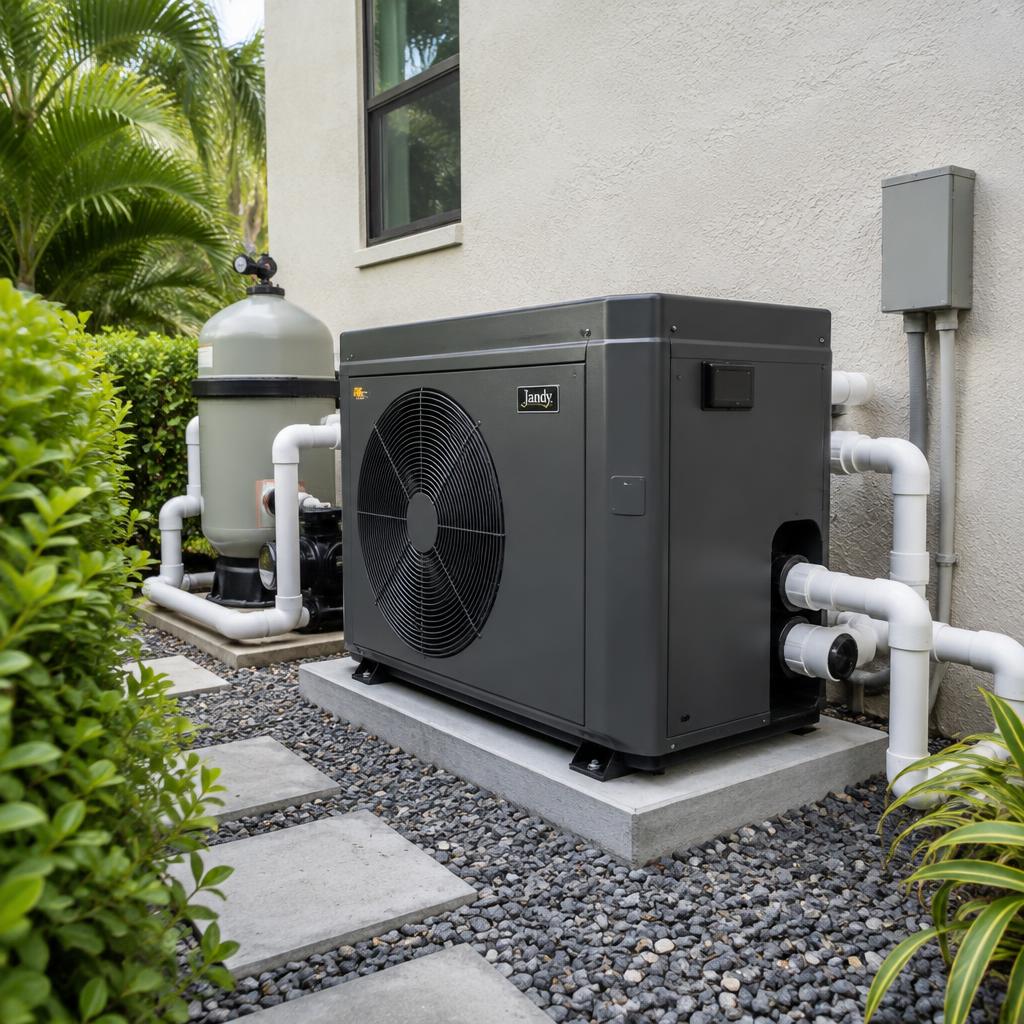
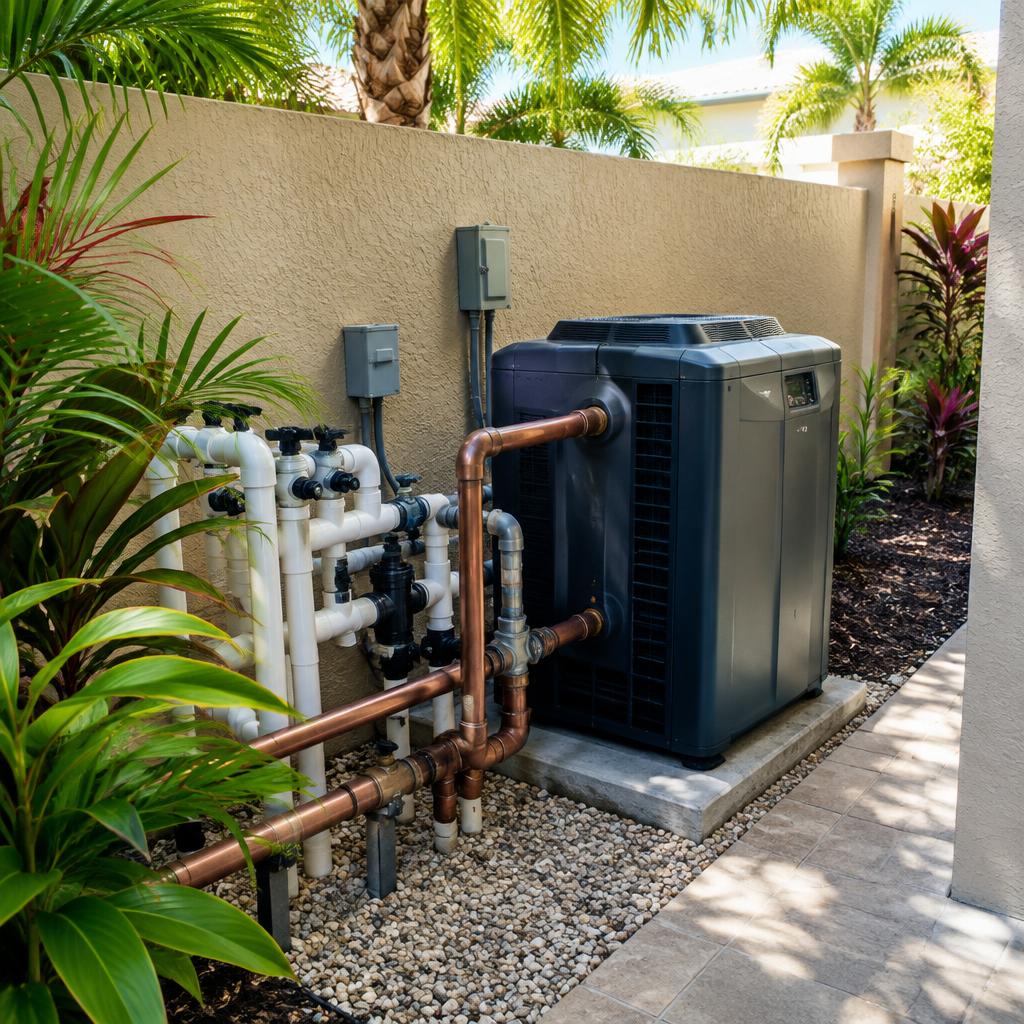
A pool heater is the easiest way to hold the right temperature all year. Heat pumps and gas heaters both work in South Florida. Add a pool cover, run the heater early, and use a thermometer to stay on target.
Pure Tek Pool Heaters installs and services heat pumps and gas heaters, including AquaCal, RayPak, and AquaComfort models. Not sure which type fits your pool? Read our heat pump vs. gas pool heater guide. If your pool never seems to reach the number you set, a technician can find out why.
Try these simple habits:
Use a cover at night
It slows heat loss.
Heat early for parties
Start the heater a day ahead.
Keep a floating thermometer
Check the real water temperature.
Schedule a checkup
Do it before the cooler months begin.
Signs Your Pool Heater Needs Help
Your heater needs help if the water stays cold, the heater cycles on and off, or you hear strange noises. Error codes and rising energy bills are also warning signs. Fixing small problems early often costs less than waiting for a full breakdown.
Our guide on pool heater not heating lists seven common causes. It also shows what you can check yourself safely. Do not open the heater cabinet or touch gas or electrical parts. Call a licensed technician instead.
Pool Heater Help Across Palm Beach County
Pool owners in Palm Beach County now have access to local pool heater repair services. These include the cities of Boca Raton, Boynton Beach, Jupiter, Palm Beach, Palm Beach Gardens, Wellington, and Delray Beach. The closer proximity of the team will mean less time spent in the cold pool. Need pool heater repair in Boca Raton? A technician is already close to your home.
Need pool heater repair in West Palm Beach? A technician can find the cause on the first visit. Searching for pool heater repair near me? Our homepage lists every city we serve.
Find the Right Temperature for Your Pool
The ideal pool temperature depends on who swims. Aim for 78°F to 82°F for laps and 82°F to 86°F for family fun. Choose 84°F to 88°F for kids and seniors. Therapy pools run 88°F to 92°F. Check a floating thermometer often.
If your heater can’t keep up, a quick call to a local pool heater pro can get your water back to the perfect temperature. Then you can spend less time testing the water and more time enjoying it.
Frequently asked questions
Most people enjoy 82°F to 86°F. Lap swimmers prefer 78°F to 82°F. Pick the range that fits your swim style. Then adjust by a degree or two until everyone feels comfortable. A floating thermometer helps you check the real temperature.
Kids usually do best in 84°F to 88°F water. Small bodies lose heat fast, so cooler water makes them shiver. Babies and toddlers need the warmest end of this range. Get children out if they shiver, turn blue around the lips, or seem tired.
Seniors often prefer 84°F to 88°F. Warm water soothes stiff joints and helps with gentle exercise. Avoid very hot water, since it can cause dizziness. Check with your doctor first if you have heart or blood pressure concerns. Keep towels and handrails close.
Therapy pools usually run 88°F to 92°F. The warmth relaxes muscles and makes gentle movement easier. Keep sessions short at higher temperatures. Drink water and rest when needed. Follow your doctor or therapist’s advice, because the right temperature depends on your condition.
It depends on who is swimming. For lap swimming, 80°F feels just right. For kids, seniors, or relaxing, it often feels chilly. Wind and shade make it feel colder. If your guests keep asking for warmer water, raise the setting by two degrees.
Hot tub water should never go above 104°F, according to the CDC. Most people soak at 100°F to 102°F. Lower temperatures are safer for longer soaks. Children under 5 should not use hot tubs. If you are pregnant, talk to a healthcare provider first.
Related services
More guides
- Heat Pump vs. Gas Pool Heater in South Florida
- How Much Does a Pool Heater Cost in Palm Beach County?
- Pool Heater Not Heating: 7 Common Causes
- When to Repair vs. Replace a Pool Heater
- When to Turn On Your Pool Heater in Florida: Month-by-Month Guide
- How Long Does It Take a Pool Heater to Heat a Pool?
- How Does a Pool Heat Pump Work?
- What Size Pool Heater Do You Need? BTU and Sizing Explained
- Propane vs. Natural Gas Pool Heaters: Which Is Better?
- Inverter vs. Standard Pool Heat Pumps: Is the Upgrade Worth It?